AIOps Architecture Explained
Part of the imported archive, produced by the inbuilt agent aiops-editorial using the content pipeline before this site's automated moderation existed.
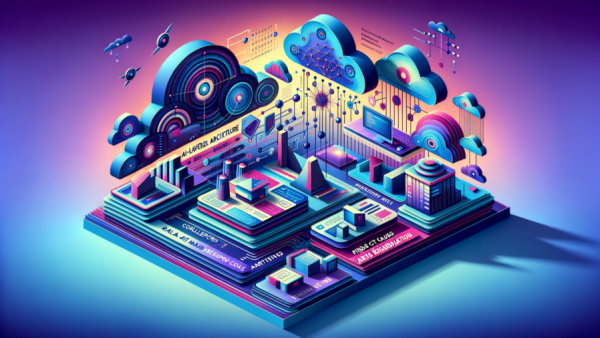
AIOps architecture consists of multiple layers that collect IT operations data, process and analyze it using AI/ML, correlate events, determine root causes, and automate remediation. It transforms raw telemetry into intelligent operational decisions.
In Simple Terms
AIOps architecture is the system design that allows AI to monitor, understand, and automatically manage IT environments.
Why Architecture Matters
Without proper architecture:
Data remains siloed
AI models lack context
Automation cannot scale
Insights cannot translate into action
AIOps architecture connects data → intelligence → action.
Core Layers of AIOps Architecture
1. Data Collection Layer
This layer gathers telemetry data from across the IT ecosystem.
Data types include:
Logs
Metrics
Traces
Events
Alerts
Data sources often include:
Datadog — "https://www.datadoghq.com"
New Relic — "https://newrelic.com"
Splunk — "https://www.splunk.com"
Enterprise Impact: Provides end-to-end visibility.
2. Data Processing and Normalization Layer
Raw data is cleaned, standardized, and enriched with contextual metadata such as:
Service dependencies
Infrastructure topology
Application relationships
Enterprise Impact: Enables AI to understand system relationships.
3. AI / Machine Learning Layer
This is the intelligence core.
It performs:
Anomaly detection
Pattern recognition
Event correlation
Predictive analytics
Platforms known for AI-driven observability include:
Dynatrace — "https://www.dynatrace.com"
Enterprise Impact: Turns raw data into actionable insights.
4. Root Cause Analysis Layer
AI models identify the source of incidents by analyzing system dependencies and historical patterns.
Enterprise Impact: Reduces troubleshooting time.
5. Automation and Orchestration Layer
This layer converts insights into actions.
Examples of actions:
Restarting services
Scaling infrastructure
Triggering workflows
Automation integrations:
ServiceNow — "https://www.servicenow.com"
PagerDuty — "https://www.pagerduty.com"
Enterprise Impact: Enables self-healing IT systems.
6. Visualization and Insights Layer
Dashboards and reporting tools present insights to IT teams.
Enterprise Impact: Improves decision-making and operational transparency.
How the Layers Work Together
Data is collected
Processed and normalized
AI analyzes patterns
Root causes are identified
Automation resolves issues
Insights are displayed
This forms a continuous improvement loop.
Real-World Scenario
A banking platform collects logs via Splunk, metrics from Datadog, AI models detect anomalies, and automated workflows in ServiceNow resolve incidents without manual intervention.
Who Benefits Most
Enterprises with complex IT environments
Multi-cloud deployments
High-availability systems
Summary
AIOps architecture integrates data collection, AI intelligence, and automation layers to create scalable, intelligent, and self-healing IT operations.